










THE URBAN LAND INSTITUTE
The Urban Land Institute ( ULI ) is a non-profit research and education institution with headquarters in Washington , Hong Kong and London . Its stated goal is to "take a leadership role in responsible land use and to create and sustain the development of communities worldwide." [ 1 ] The ULI stands for progressive development and research as well as education, including in the areas of sustained development, smart growth (urban and transportation planning), community development and workforce housing (affordable housing for the workforce).
The ULI was founded in 1936 and is now represented in over 80 countries worldwide. It has over 42,000 members, of which over 20% work in government, educational institutions or public companies and around 75% work mainly in the real estate and urban development industry. There are around 700 members in Germany alone. [ 2 ]
The ULI states that it publishes publications and conducts research to “predict emerging trends and new issues in land use and propose creative solutions” and “provide knowledge that helps the development community to continually improve its performance.” [ 3 ] [ 4 ]
The Urban Land Institute also runs a number of initiatives and programs, such as an extensive consulting program that provides government, businesses and nonprofit organizations with strategies in real estate development and urban policy. For over 20 years, real estate entrepreneur programs have been developed [ 5 ] that provide professional development support in land use practice. The ULI also hosts specific events, such as local district council meetings [ 6 ] or the annual fall [ 7 ] and spring meetings. [ 8 ]
Edward Walter has been Global Chief Executive Officer since June 2018. [ 9 ] Walter succeeded Patrick L. Phillips, the former President of ERA AECOM , who in turn held the position of global CEO since September 2009. He succeeded Richard Rosan, who held both positions for 17 years. [ 10 ] The Asian headquarters in Hong Kong has been headed by CEO John Fitzgerald since the end of 2013 [ 11 ] and the European headquarters in London by CEO Lisette van Doorn since January 2015 [ 12 ] . Executive Director Stephanie Baden chairs the office for Germany, Austria and Switzerland in Frankfurt . [ 13 ]
1940s and 1950s
[ Edit | Edit source ]
The Urban Land Institute was founded on December 14, 1936, during the Great Depression as the National Real Estate Foundation for Practical Research and Education , with the goal of becoming a research and educational academy in the real estate and urban culture industries. Two years after establishing its headquarters in Chicago, the organization changed its name to the Urban Land Institute in 1939. A newsletter announced the institute's mission in 1940: "[...] was founded to assist U.S. cities in problems of planning, replanning, construction and reconstruction."
The Massachusetts Institute of Technology welcomed the ULI to its first conference in 1941. A year later, the ULI declared itself a relief organization in the publication Outline for a Legislative Program to Rebuild Our Cities . [ 14 ] That same year, the headquarters was moved to Washington.
Institute members Jesse Clyde Nichols, better known as JC Nichols, and Hugh Potter organized the first advisory agency, the Community Builder's Council , in 1944 to plan and build suburbs for post- World War II cities. The institute's advisory program began in 1947 in cooperation with the city of Louisville . [ 15 ]
1960s and 1980s
[ Edit | Edit source ]
The 1950s were marked by the founding of the JC Nichols Foundation (later integrated into the ULI Foundation) and the first cost analysis of shopping centers. In the 1960s, the ULI increasingly changed into a research institute and founded its first research program in 1960. The ULI conducted comparative land use studies over several years and exerted widespread influence with the first international membership meeting in Mexico City in 1965. Two years later, the Community Builder's Council went on its first study tour of Europe.
In the 1970s, the organization grew and expanded in several directions. The Urban Land Research Foundation (later called the ULI Foundation) was founded with the goal of "helping to meet the increasing demands for wider access to development information." The Urban Land Institute reached a membership of over 6,000 in 1974, and the annual budget grew to over $1.5 million in 1976. In 1979, the range of advisory services was expanded and the ULI Awards for Excellence were introduced. [ 16 ]
1990s and 2000s
[ Edit | Edit source ]
In 1983, the ULI developed the regional consulting program with initially only seven consulting offices in various US cities. Later, district consulting offices were also founded and in 1986 the first Real Estate School was founded.
UrbanPlan , the Institute's second graduate program, was launched with the help of a grant from the National Geographic Society Education Foundation. In 1992, the first two European District Advisory Centres were established in London and Barcelona .
In addition, in 1996, the ULI Senior Resident Fellows program was established and the first ULI Mayor's Forum was held with the intention of creating a workshop with city officials and private companies to find solutions to problems in the city. [ 16 ]
21st century
[ Edit | Edit source ]
In 2000, the ULI JC Nicholson Prize for Visionaries in Urban Development was introduced and the number of ULI advisory centres grew to 39, including in Europe, Asia and South America. The following year, the ULI opened its first European office in Brussels and the first Young Leaders group was formed in the ULI district advisory centre in Houston . By 2005, Young Leaders groups had also been established in the majority of district advisory centres . Thomas Leinberger has been the chairman of the Europe Young Leaders group since 2014. [ 17 ]
The European office moved to London in 2004 and established the Community Action Grant program. In 2007, the ULI Terwilliger Center for Housing was established along with the opening of the ULI office in Hong Kong. Membership grew to over 40,000 the following year. The Urban Land Institute established the ULI Daniel Rose Center for Public Leadership in Land Use and the Urban Investment Network in Europe. [ 18 ] In 2011, the National Building Museum in Washington, DC, announced the Urban Land Institute as the recipient of its 2012 Honor Award for support and leadership in urban planning and community development. According to the museum's executive director, Chase Rynd, the museum chose ULI because of its "long-standing commitment to interdisciplinary, nonpartisan research that impacts entire community systems" and its leadership role in "urban and transportation planning and policy development down to the basics to improve the quality of life in urban communities around the world." [ 19 ]
In 2014, the Urban Land Institute and the National League of Cities partnered to jointly support the management and operations of the Daniel Rose Center For Public Leadership in Land Use to help it develop and influence a broader range of city agencies. [ 20 ]
Influencing procedures and practice
[ Edit | Edit source ]
Because of its many programs, the Urban Land Institute has influenced policy and practice for decades. The Institute has no lobby, but works and researches with its members in the areas of land use and urban development. The Journal of Association Leadership wrote in 2005 that the ULI "draws on the experience and expertise of its members in real estate and urban development using many of the problem-solving principles enshrined in The Wisdom of Crowds : insight, collaboration, coordination." With a membership of "26 sciences and 13 industries, in the public sector and through private enterprise, the Institute today teaches core competencies developed through the collective knowledge of its members and structures communities as self-organizing systems." [ 21 ]
Since the mid-20th century, the Urban Land Institute has been consulted by city governments and private landowners on real estate and development issues. These multidisciplinary teams of experts in architecture, urban planning, transportation, finance, and market research have adopted and implemented many of the advice and tips. [ 22 ] [ 23 ] The Institute's local district advisory offices invite government officials and private industrialists to speculate on the future of land use, and also established an UrbanPlan classroom used by many schools across the United States. [ 24 ] [ 25 ] In addition, the ULI has been able to provide leadership and expertise in urban development processes through a variety of partnerships, for example as a partner of the World Economic Forum (WEF). [ 26 ].
THE BUSINESS MODEL
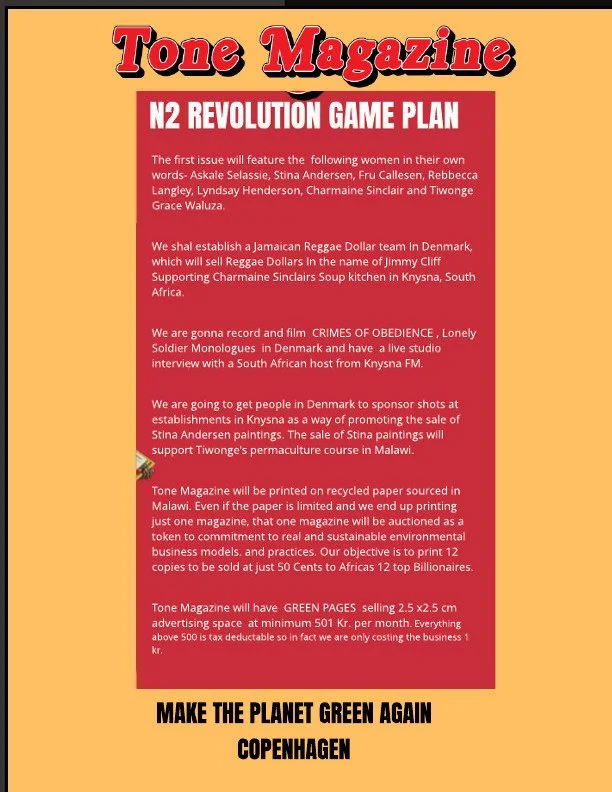
The business model is what we call the GENESIS MODEL . It is based on the principles of Creation, Nature and Divinty which makes it compatible with what the planet needs and like mother nature self sustaining and symbiotic

SABRINA BRAZIL.
Sabrina Brazil is the embodiment of the perfect ambassador for CITIES FOR JUNGLES. With high quality talent and personal involvement in activism for the survival of Rain Forests she is the potentoal catalyst for much needed change.
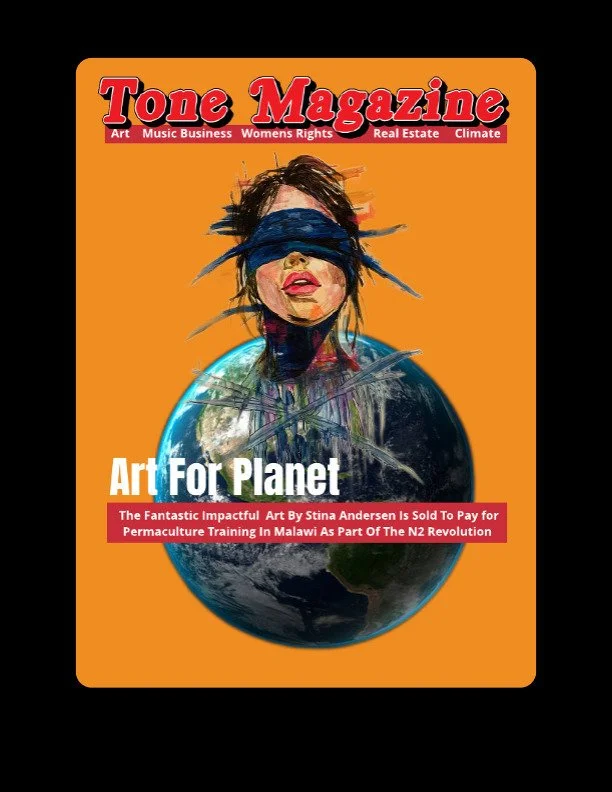
Her appearance on the front cover of the resurrected TONE MAGAZINE is nothing less than graceful benediction from the higher powers and hopefully there will be many more reasons to portray her and her career highlights.
What we can say at this point is that she is the leader of the GREEN MUSIC INDUSTRY as we chart and negotiate what is plausible and attainable in the quest for a better and sustainable world.
-
![]()
Dream it.
-
![]()
Build it.
-
![]()
Grow it.
-
![]()
Sell it.


HJEM TIL ÅRHUS
GOING HOME TO ÅRHUS.
It is the end of a journey. It is the completion of a course.
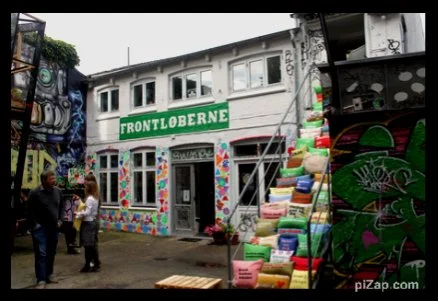
My ability to design projects began in Århus at Frøntløberne (Frontrunners).
Frontløberne was established by UFFE ELBÆK who later rose to prominence as Minister of Culture and as founder of ALTERNATIVET, one of Denmarks most progressive political parties.
Frontløberne came to be as a result of discussions between Uffe and his social security officer, who pointed out to him that he could get funding for his passion for street theatre.
His group of companions grew as they all became better at performances and applying for funds. After a few years and a groundbreaking youth cultural exchange for global peace to Russia called NEXT STOP SOVIET Uffe turned Frontløberne into a two year course called KAOSPILOTS
In 1997 I approached the Frontløbers with a desire to establish a magazine for dailogue in response to media hostility aimed at refugees particularly Somalians.
Led by TORSTEN GEJL, who today is a prominent figure in Alternativet, the open- plan office of the Frontrunners democratically approved my project proposal and I was given a desk a computer and a telephone.
I informed my social security officer and she approved the idea. For extra money I also took on the job of cleaning the office space. I was busy from as early as 4.30 in the morning until way past 23.00 in the evening.
I was introduced to the internet. The office had one internet expert who would be asked to find stuff for everyone. It was a slow process and he sat at length looking at the screen waiting for results.
The First and only issue of TONE MAGAZINE was printed some months later. The second one was going to be a much improved version but then two things happened. My wife got pregnant and I was accepted into TEAM 6 of the Kaospilots.
For several reasons, I soon abandoned the idea of becoming a qualified Kaospilot and opted to return to focusing on Reggae songwriting for producers in London.
Both avenues would have required me to be absent from my new family, however my gut feeling was that the Kaospilots lacked the Afrocentric underpinnings that were fundamental to everything I was about.
On the one hand I could see what doors it would open in the corporate world and on the other hand I could see a very clear and unique role that my talent could play in the reggae world. The songwriting route would require more time spent in the Black community in London.
Remaining at Kaospilots would excarcebate already set narratives about Africa ad would intensify inner tensions that I had already worked so hard to overcome.
My entire life, growing up with Africans and White people, poverty and wealth was a role I instinctively took as my path in life. My role is to challenge stereotypes and at the same time celebrate traditions as long as its beneficiel to the common good.
An unsolicited comment from a Black lady on a bus in London illustrates the role precisely. Without any encouragement whatsoever from me, she said “ A Rasta with a guitar reading the Economist. Wow!”
I not only read the economist but also the Financial Times and many other publications while I busked in London underground to send money home to my wife for rent, pay rent in London as well as studio time. I did 12 hour days to make it all happen.
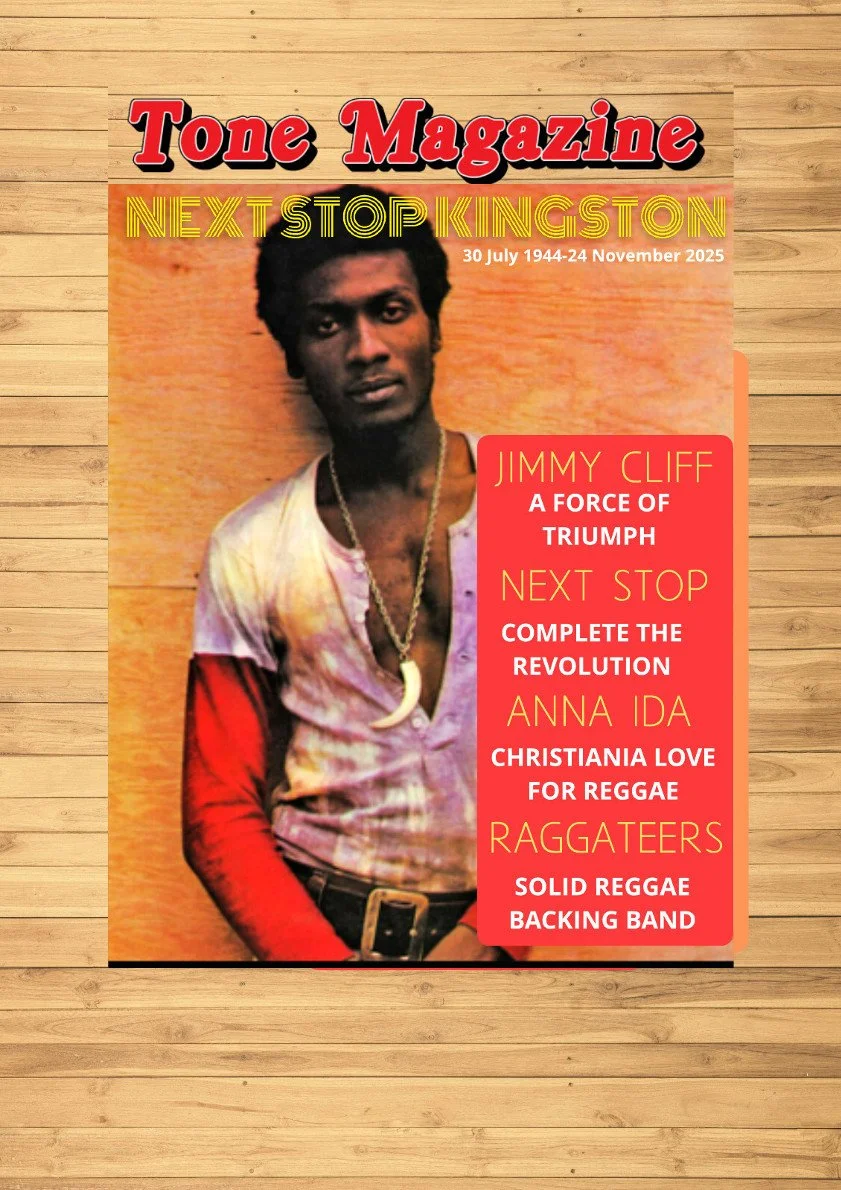
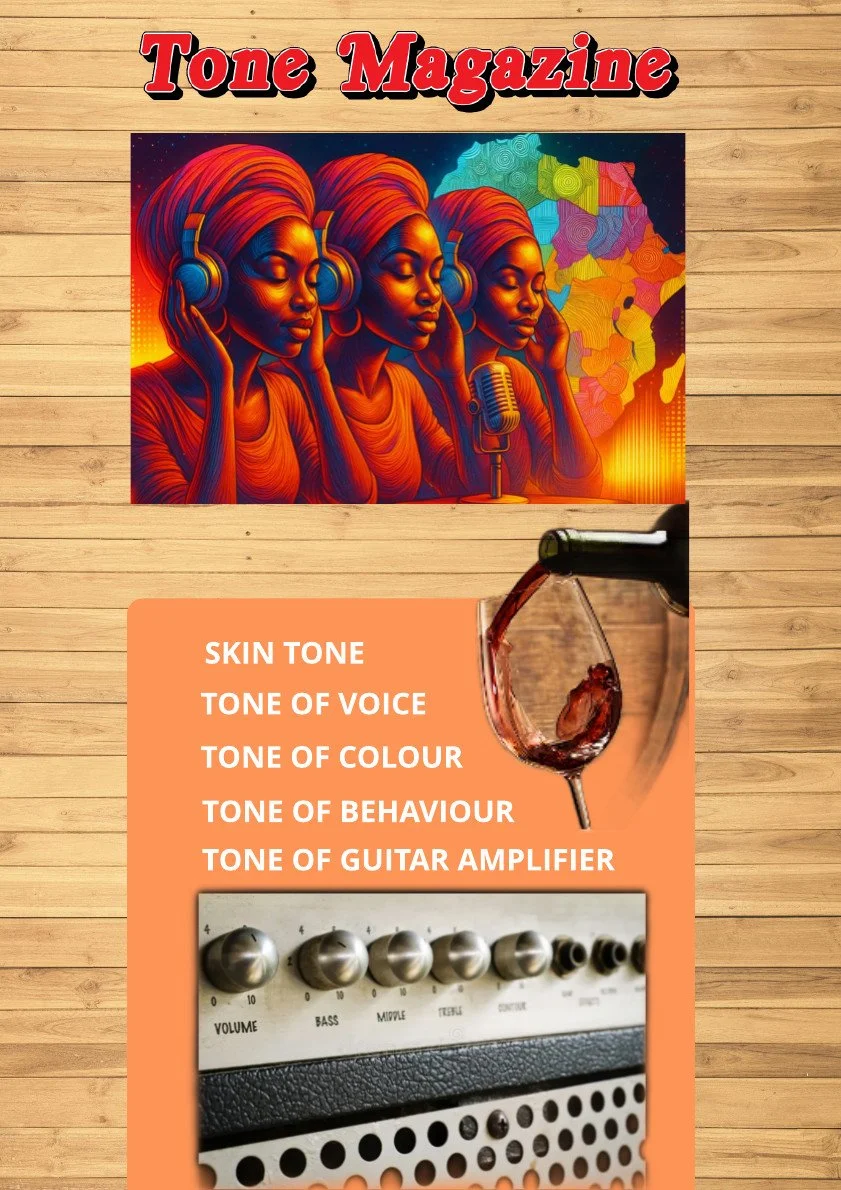
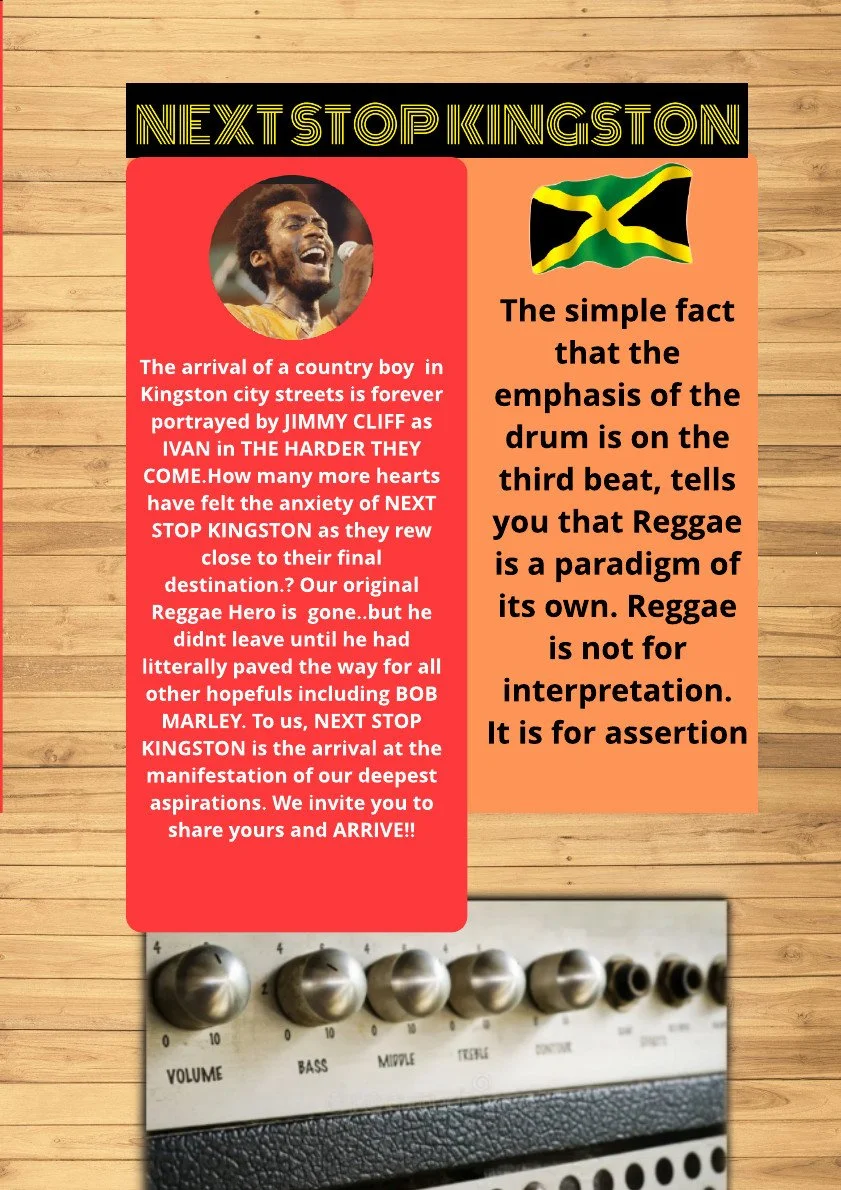
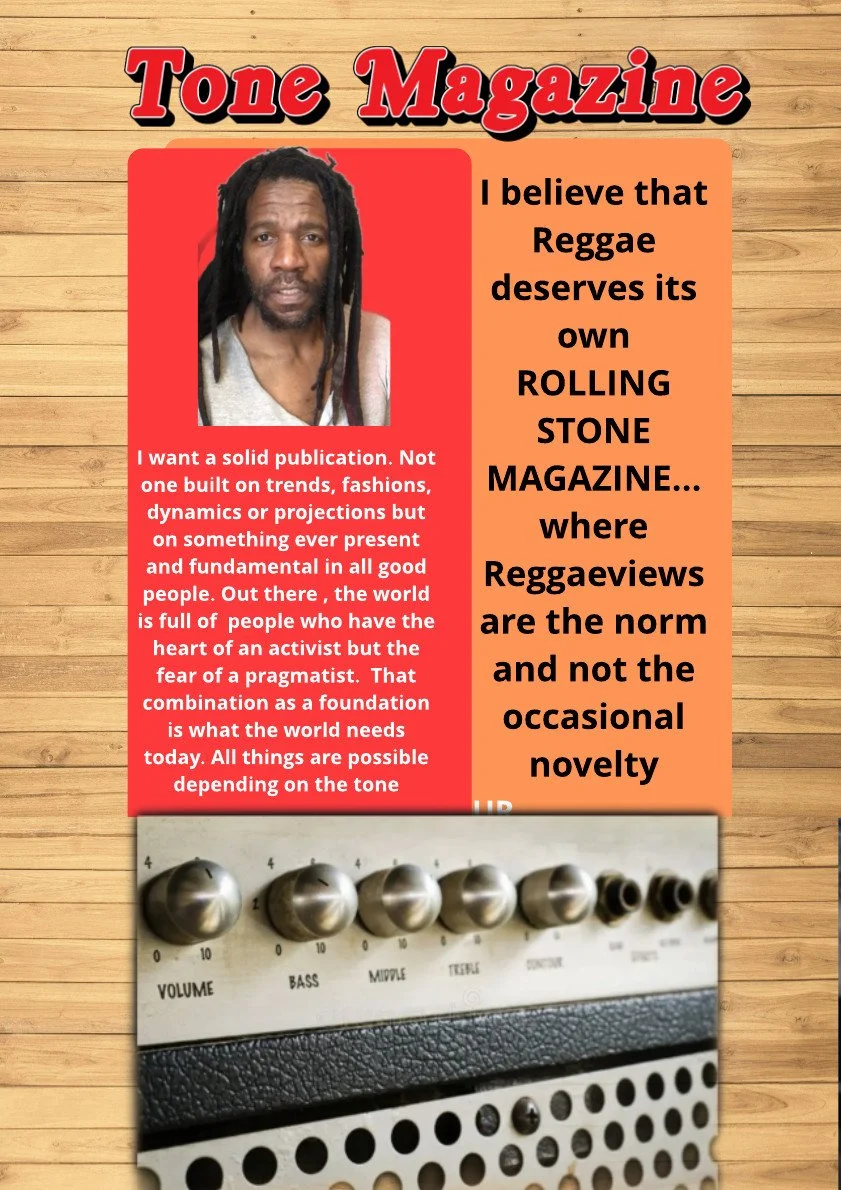
Now 25 years later, Im ready to ressurrect TONE MAGAZINE as a platform for all the worthy causes I have accumulated from travelling the world. The themes and reasons are very much the same but in many ways its a very different world. However the unique role remains the same and in hindsight I can say that I made the right choice. What I have now is greater depth, purpose, wisdom and contacts to conduct the same dialogue about refugees, immigrants and Danish culture, which fundamentally still matter.
So many experiences underpin everything I do and as things stand, those experiences will probably open more corporate doors than a Kaospilots diploma would have..but who knows? I preffer to think so. In any case Frontløberne and Kaopilots still exist today and their door is always open to one such as myself and a publication such as Tone Magazine. Moreso today than back then, because today the greater percentage of people feel the necessity to change the world.
As for the Somalian refugees…well the media attention never returned to its despicable lows of 1997. They not only proved to be the best at self organisation, intergration and achievement. Of course that story never got media coverage…but with Tone magazine it most certainly will